Real estate development transforms raw land into livable, functional communities. It's one of the most capital-intensive and complex endeavors in business — but when executed well, the returns are substantial.
Phase 1: Site Selection and Acquisition
Everything begins with the right parcel. Developers evaluate location, topography, access to utilities, surrounding land uses, and municipal growth plans. A mistake at this stage cascades through every phase that follows.
Phase 2: Due Diligence and Feasibility
Before committing capital, thorough due diligence examines environmental conditions, geotechnical reports, title issues, and regulatory constraints. A feasibility study validates that the intended use pencils financially — accounting for construction costs, absorption timelines, and market pricing.
Phase 3: Entitlement and Permitting
Entitlement is often the longest and most unpredictable phase. It involves securing zoning approvals, plat recordings, engineering reviews, and building permits. Navigating the municipal process requires experience, relationships, and patience.
Phase 4: Infrastructure and Site Work
Once entitled, the site must be prepared for vertical construction. This includes grading, utility installation, road construction, drainage systems, and landscaping. Infrastructure costs are substantial and must be carefully managed against the project budget.
Phase 5: Vertical Construction
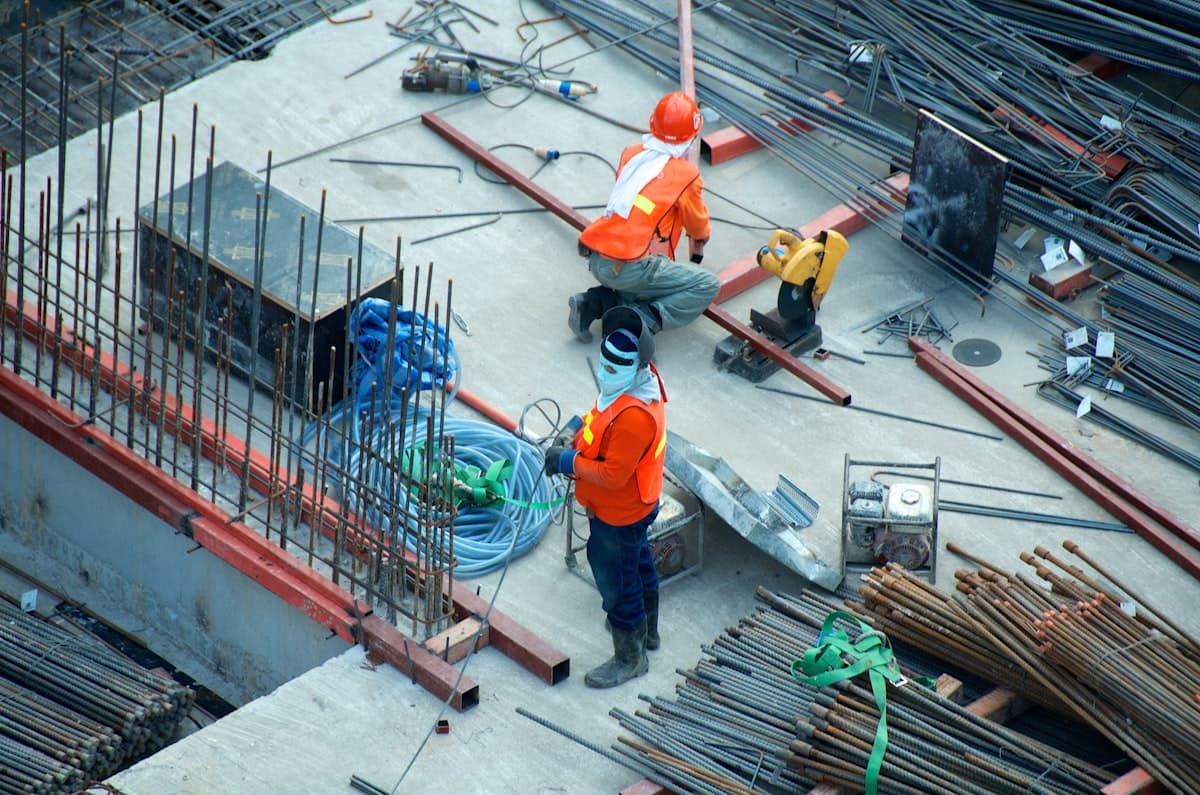
Whether residential or commercial, the construction phase is where the vision becomes reality. Managing contractors, timelines, quality standards, and budgets simultaneously requires disciplined project management and constant oversight.
Phase 6: Marketing and Sales
The final phase brings the product to market. For residential projects, this means lot sales to builders or home sales to end buyers. For commercial projects, it involves leasing or selling to operators and investors.
Great development isn't about building — it's about orchestrating a complex process where every decision compounds.
At Triple 5 Holdings, we approach development with the same discipline we bring to every investment — thorough analysis, strategic partnerships, and a commitment to long-term value creation.